More meditation -Resources across the web
In our busy world, finding moments of calm can be a solace from everyday stress. Meditation has been shown to offer stress relief, mental clarity acuity, with improvements in memory and attention; these are just some of the benefits that regular meditative practice can offer.
If you’ve only just begun to engage with meditation, you might be surprised to learn that there are many approaches and types of practice. Each meditative approach can offer different benefits depending on what you’re looking for—whether reducing stress, regulating emotions and mood, or personal development.
Here, we will look at some of the most common types of meditation you might come across, and will share links to further resources from across the web.
1. Mindfulness Meditation
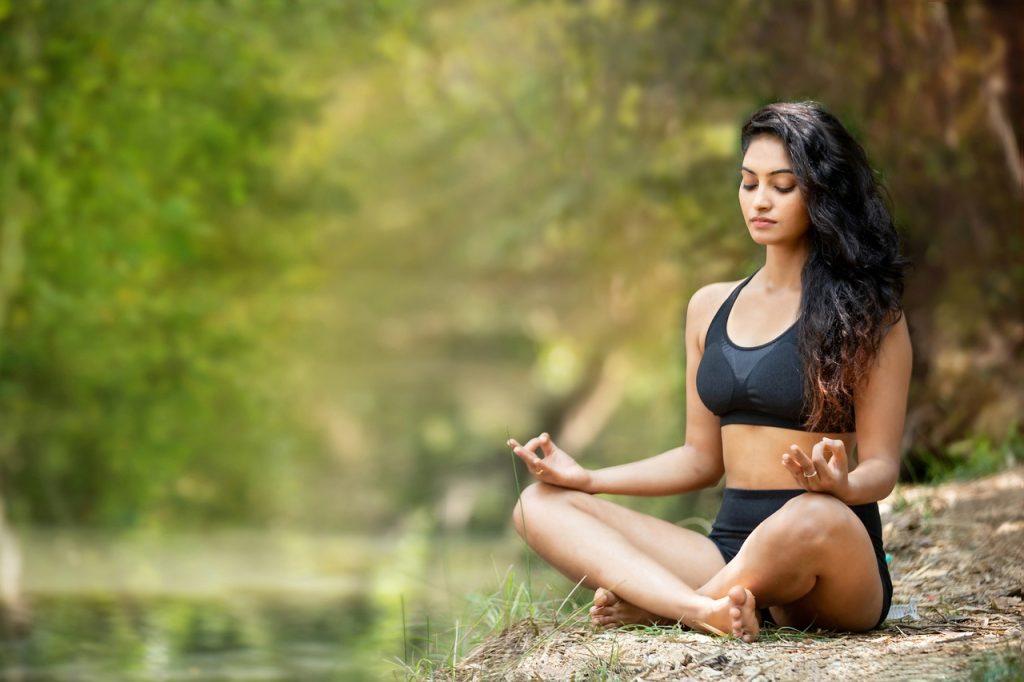
Mindfulness meditation has received a great deal of attention over the past few years. Whilst relatively recently adopted into psychological therapy circles with scientific recognition, it is a practice that holds original from Buddhist traditions. In essence, mindfulness meditation is the practice of staying present in the current moment. It can involve observing our thoughts, feelings, and sensations, without judgment. One of the goals of mindfulness meditation is to develop an awareness and acceptance of the moment, as it truly is; absorbing the fine details and truly losing ourselves in our experience. There are many different approaches to mindfulness but we have shared some places to start below.
Benefits
- Reduces stress and anxiety
- Improves focus and concentration
- Helps regulate emotions
Resources:
- Apps: Headspace, Calm, Oxford Mindfulness
- Websites: UCLA Mindful Awareness Research Center; Oxford Mindfulness Foundationq
2. Loving-Kindness Meditation (Metta)
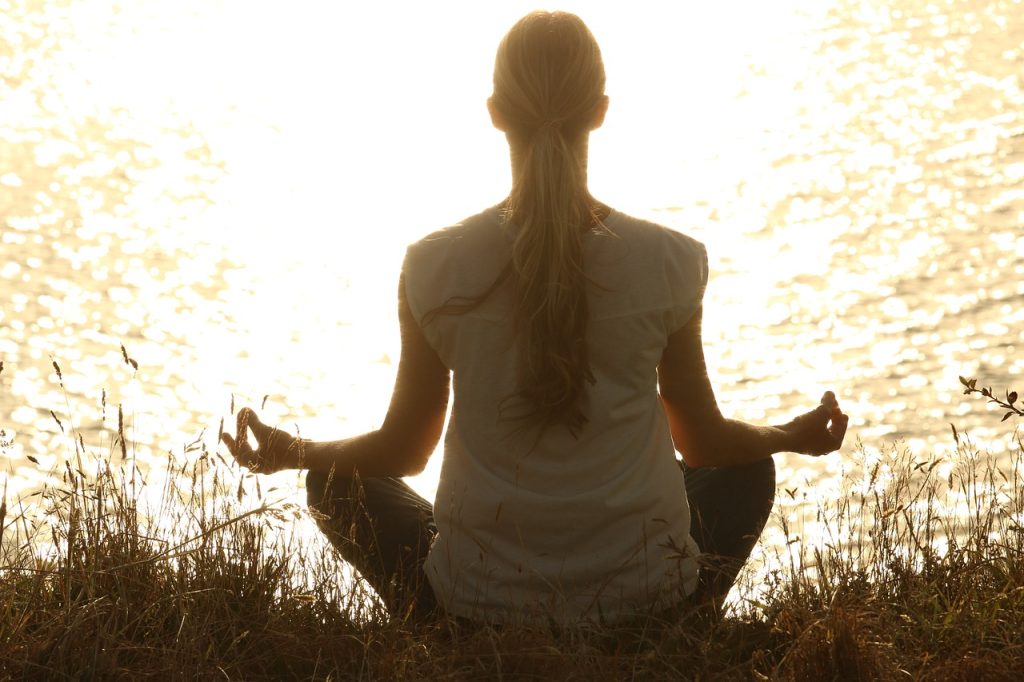
Whilst mindfulness is a concept that is generally familar to many people, there is another type of meditation known as Metta, aka loving-kindness meditation. This type of meditatio focuses on holding compassion and goodwill toward ourselves and others. Loving-kindness meditative practice typically involves silently repeating phrases like, “May I be happy. May you be healthy,” and expanding those wishes outward.
Benefits
- Increases empathy and compassion
- Helps heal emotional wounds
- Reduces self-criticism
3. Body Scan Meditation

Body scan meditative approaches involves slowly bringing our awareness and attention to different parts of our body, taking notice of sensations without judgment. It’s often used in mindfulness-based stress reduction (MBSR) programmes. Yoga nidra uses a body scan approach and other therapeutic techniques such as Progressive Muscle Relaxation.
Benefits:
- Reduces physical tension
- Improves mind-body awareness
- Enhances relaxation and sleep
Resources:
- Free Meditations: UCLA Health Guided Meditations
- Apps: Insight Timer, Smiling Mind
- Courses: MBSR programs online at Palouse Mindfulness
4. Guided Visualisation
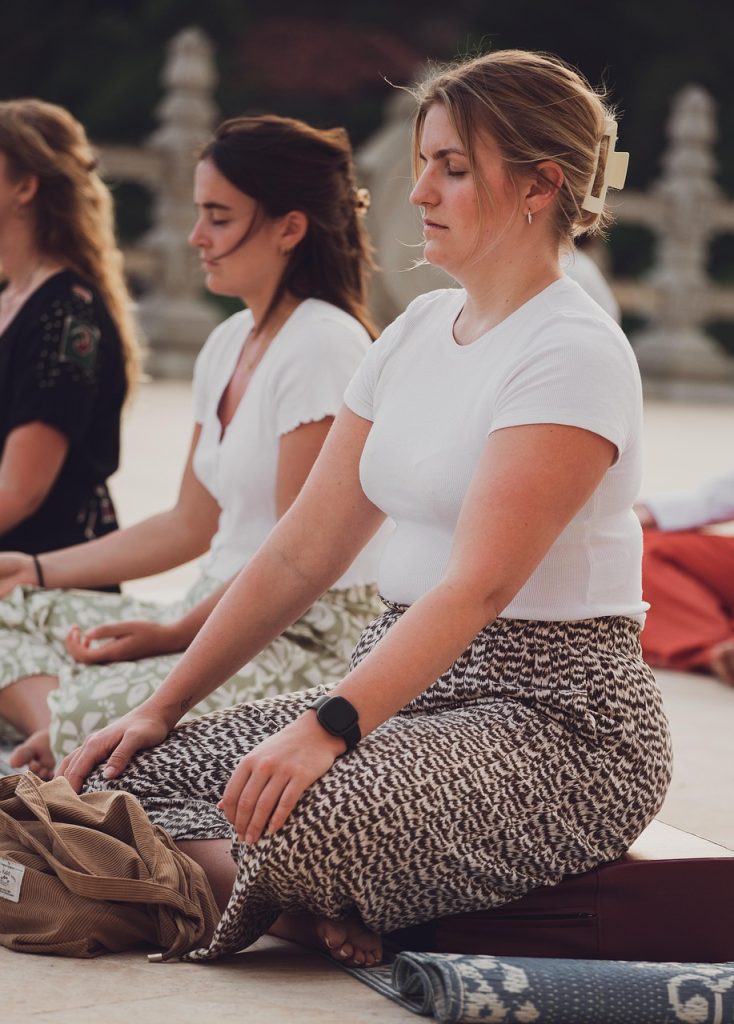
This meditation uses rmental imagery to encourage relaxation, stress relief, and even personal development. In practicing guided visualisation, we might envision a peaceful and serene place where everything is fine and we have nothing to worry about, just for this moment. Alternatively, we might imagine achieving a specific goal that we have set our sights on. Guided visualisation can be a powerful tool that can be used for a wide range of intentions.
Benefits
- Helps with stress relief and motivation
- Can enhance creativity
- Supports mental rehearsal for goals
Resources:
- Apps: Calm (scenes and sleep stories), Breethe
- Websites: https://www.calm.com
- Courses: Udemy has a variety of guided visualisation classes
5. Zen Meditation (Zazen)

Zen meditation is a seated meditation with tradition in Zen Buddhism. This approach emphasizes posture and breath awareness. Practitioners usually sit in silence, observing their thoughts as they pass by.
Benefits
- Cultivates discipline and concentration
- Encourages insight into the nature of the mind
- Can deepen spiritual practice
Just a starting place

This is just a place for those to start who are beginning meditation. We have a YouTube accou where we have collected a range of meditation videos and other relaxation practices, you can explore our playlists here.