Nurturing Nature: Therapeutic benefits of getting out to the green.
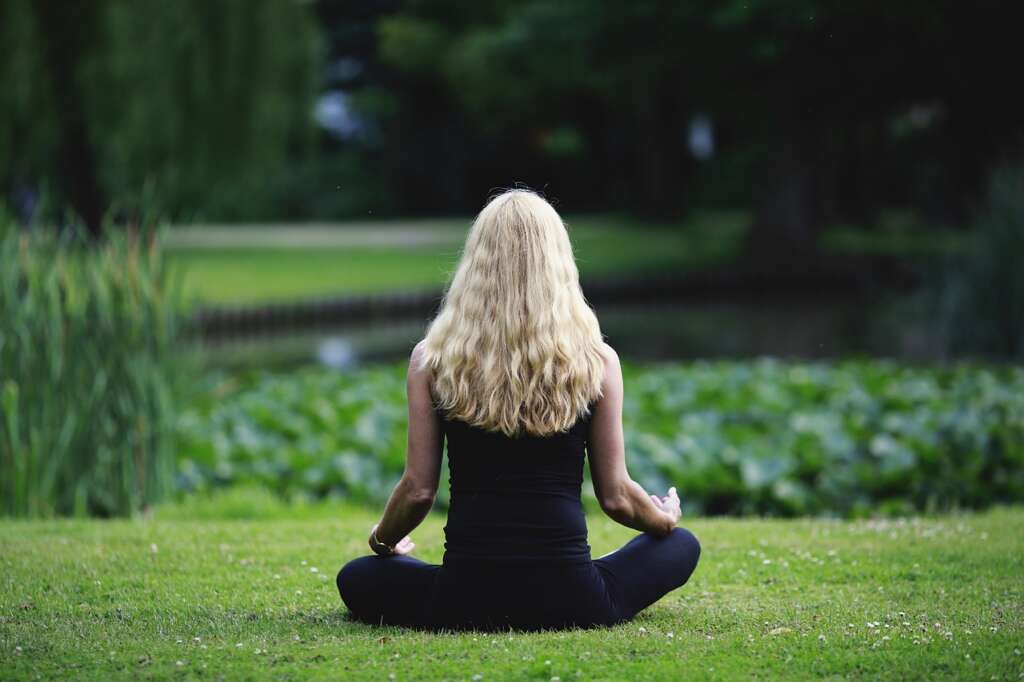
The therapeutic benefits of being in nature have long been recognised but recently, the importance of green spaces for mental health has been revived1. Since the pandemic, the need for greener spaces for our mental health has been recognised by many living in built up or urban areas while experiencing lockdown restrictions2.
Also known as ‘ecotherapy’, spending time in nature has been recognised to hold positive offerings for our health and wellbeing3. Whether to taking to long hikes4 in grand landscapes or even just spending some time walking through the local park, the benefits of being surrounded by greenery and taking notice of flowers or wildlife can bring fresh perspective and inspiration5.
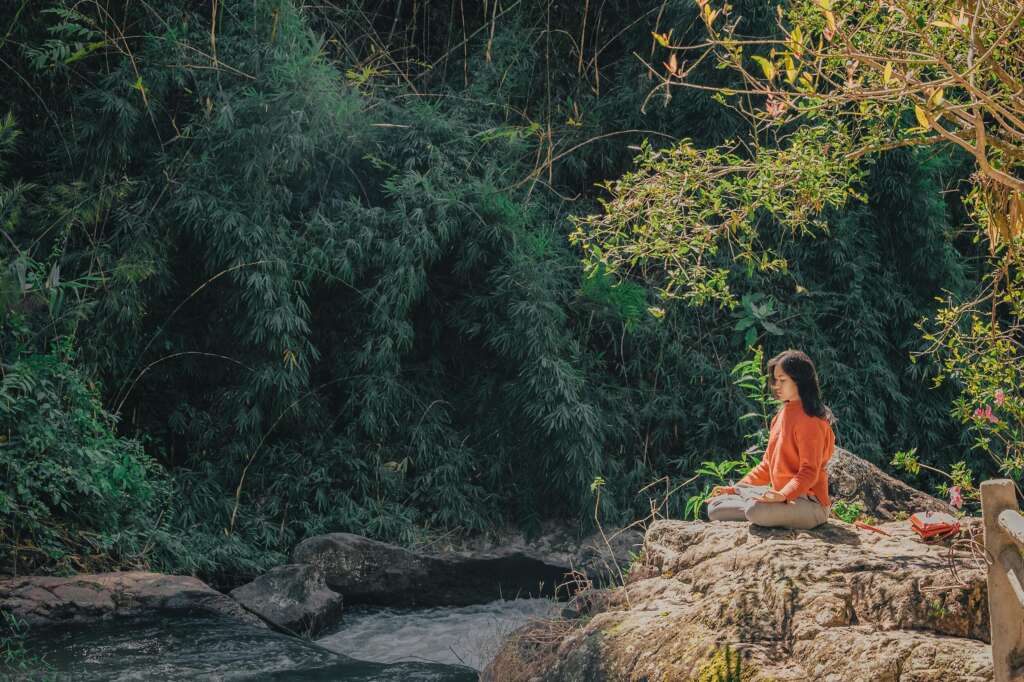
This type of setting can also benefit us greatly by providing a platform for mindfulness and meditation; some simple quiet time with only the sounds of birdsong or wind blowing through the trees and long grass can provide us with space for our minds to re-settle6.
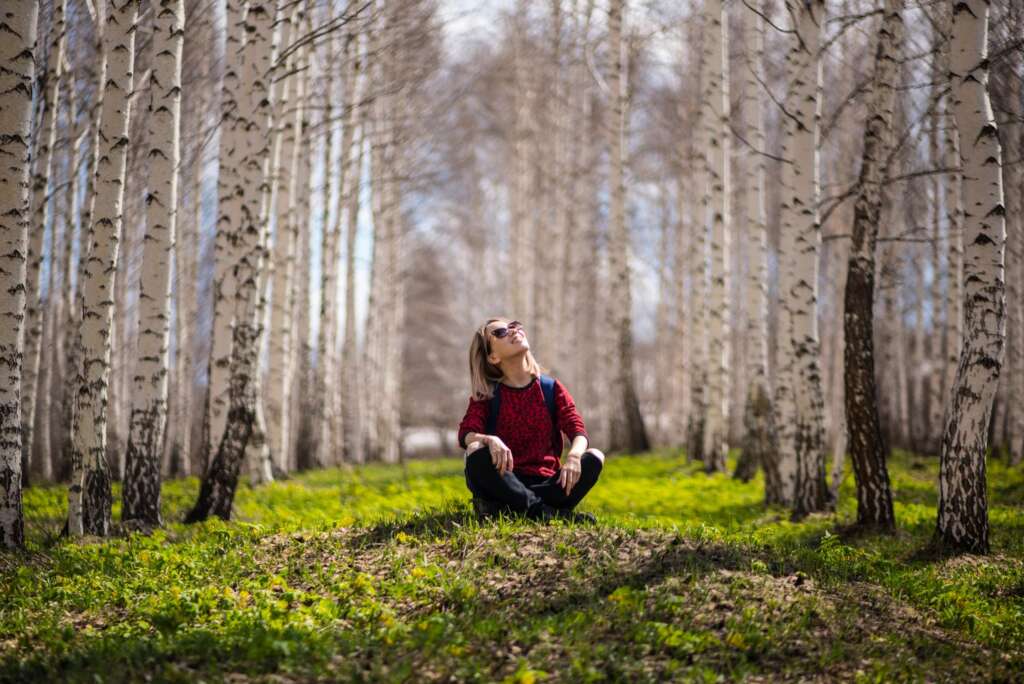
The practice of getting out into nature for well-being benefits is not a new thing. Forest bathing, also known as ‘Shinrin-yoku’ is the Japanese practise of finding relaxation in being surrounded by trees and nature. Harnessing the power of nature for mental health is not a new idea; the practise of forest bathing was developed in the 1980s as an antidote and de-stress strategy in response to the rise of technology and related burn-out7.

Not only has going out to be in nature demonstrated as beneficial to us, bringing nature to our home has also offered a lot. Even if we have little to no available space, e.g. no garden or balcony, we are able to keep houseplants, herb seedlings, and put out bird feeders in reach of our windows8.
We might listen to sounds of nature tracks, or craft and create nature themed art and crafts, from drawings and paintings to silk or origami flowers. The possibilities are endless.
There are many community initiatives with a nature focus, which doubles as an opportunity to develop social connections, while doing something positive for the environment and the local community; this offers the benefits of nature in addition to extra positive mental health and wellbeing factors9. With this, there are plenty of national initiatives too, whether this might involve donating to the National Trust or participating in anti plastic awareness with Plastic Free Communities.
There are plenty of ways to do something to make a difference while boosting personal good-feelings too.
- Lackey, N. Q., Tysor, D. A., McNay, G. D., Joyner, L., Baker, K. H., & Hodge, C. (2021). Mental health benefits of nature-based recreation: a systematic review. Annals of Leisure Research, 24(3), 379-393.
- Soga, M., Evans, M. J., Tsuchiya, K., & Fukano, Y. (2021). A room with a green view: the importance of nearby nature for mental health during the COVID‐19 pandemic. Ecological Applications, 31(2), e2248.
- Wilson, N., Ross, M., Lafferty, K., & Jones, R. (2008). A review of ecotherapy as an adjunct form of treatment for those who use mental health services. Journal of Public Mental Health.
- Thomsen, J. M., Powell, R. B., & Monz, C. (2018). A Systematic Review of the Physical and Mental Health Benefits of Wildland Recreation. Journal of Park & Recreation Administration, 36(1).
- Cox, D. T., Shanahan, D. F., Hudson, H. L., Plummer, K. E., Siriwardena, G. M., Fuller, R. A., … & Gaston, K. J. (2017). Doses of neighborhood nature: the benefits for mental health of living with nature. BioScience, 67(2), 147-155.
- Van Gordon, W., Shonin, E., & Richardson, M. (2018). Mindfulness and nature. Mindfulness, 9(5), 1655-1658.
- Park, B. J., Tsunetsugu, Y., Kasetani, T., Kagawa, T., & Miyazaki, Y. (2010). The physiological effects of Shinrin-yoku (taking in the forest atmosphere or forest bathing): evidence from field experiments in 24 forests across Japan. Environmental health and preventive medicine, 15(1), 18-26.
- Dzhambov, A. M., Lercher, P., Browning, M. H., Stoyanov, D., Petrova, N., Novakov, S., & Dimitrova, D. D. (2021). Does greenery experienced indoors and outdoors provide an escape and support mental health during the COVID-19 quarantine?. Environmental Research, 196, 110420.
- Molsher, R., & Townsend, M. (2016). Improving wellbeing and environmental stewardship through volunteering in nature. EcoHealth, 13(1), 151-155.